
Remember that time your car coughed, sputtered, and died on the side of the road? Or maybe you were just sitting in traffic, idly wondering what’s *actually* happening under the hood. For most of us, the engine is a mysterious black box. We turn the key, and vroom – magic! But how does this magic actually happen? Let’s take a look. We’ll start with the basics, break down the parts, and then put it all back together so you can finally understand the heart of your car.
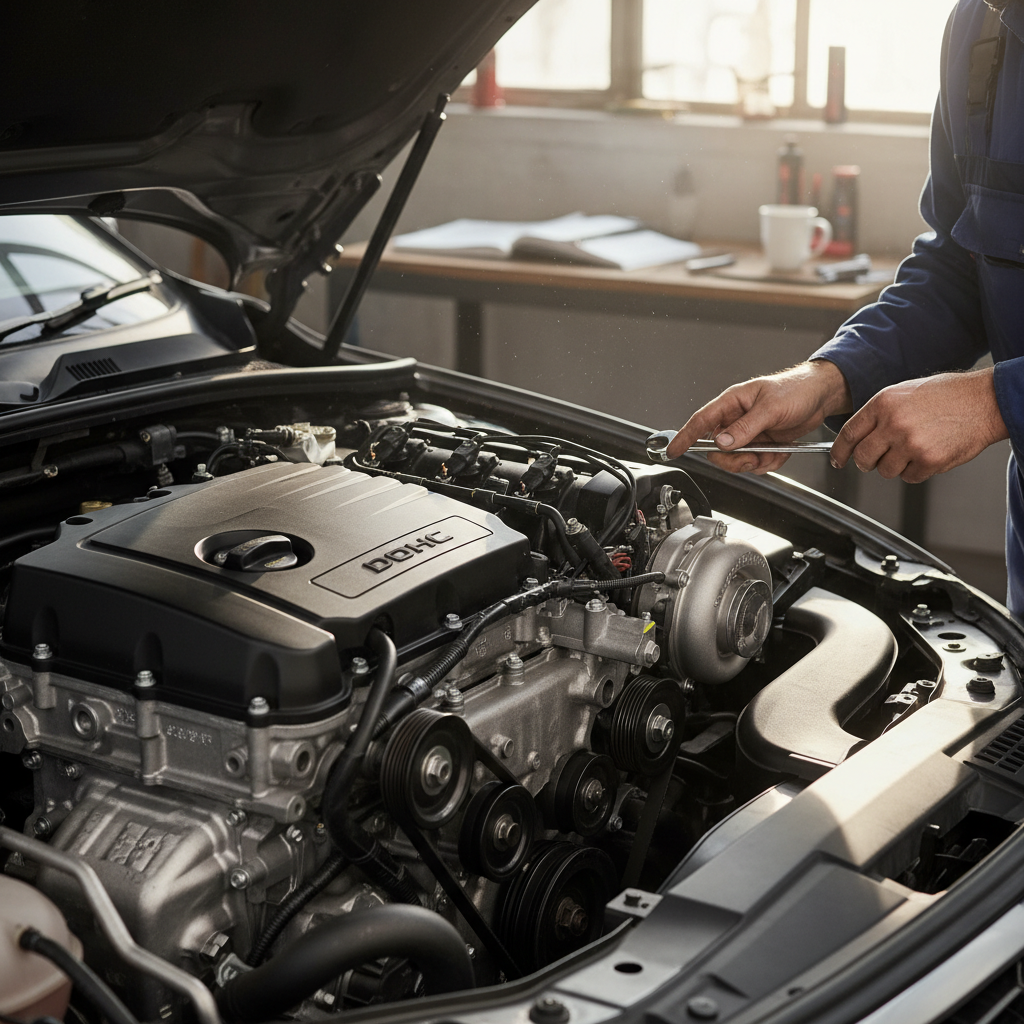
The Big Picture: From Gas to Go
At a basic level, your car’s engine is a machine that converts fuel into motion. It’s an internal combustion engine (ICE), meaning the fuel burns *inside* the engine itself. This burning, or combustion, creates a controlled explosion that pushes parts around. Those moving parts then turn the wheels, and you’re off! It’s that simple.
Think of it like this: Imagine a kid’s toy with a spring. You wind it up (that’s the “fuel”), and when you release the spring (the combustion), the toy moves. Your engine works on a similar principle, but instead of a spring, it uses tiny explosions to generate the power.
Breaking Down the Engine: The Main Players
Now, let’s get a bit more specific. Your car engine is made up of several key parts that work together in a carefully orchestrated dance. Here are the main players:
- Engine Block (Cylinder Block): This is the main frame of the engine, usually made of metal (aluminum or cast iron). It houses the cylinders where the magic happens.
- Cylinders: These are the chambers where the air and fuel mixture is burned.
- Pistons: These are like plungers that move up and down *inside* the cylinders.
- Crankshaft: This is the central rotating shaft that converts the up-and-down motion of the pistons into rotational motion. That’s the spinning motion that eventually turns your wheels.
- Connecting Rods: These rods connect the pistons to the crankshaft, allowing them to transfer the energy.
- Cylinder Head: This sits on top of the engine block and seals the cylinders. It contains valves that let air and fuel in and exhaust gases out.
- Valves: These open and close to control the flow of air and fuel into the cylinders and exhaust gases out.
- Spark Plugs (Gasoline Engines): These create the spark that ignites the fuel-air mixture in gasoline engines.
- Fuel Injectors (Modern Engines): These spray fuel directly into the cylinders, ensuring the right amount of fuel is delivered for optimal performance.
- Camshaft: This rotating shaft controls the opening and closing of the valves.
How It All Works Together: The Four-Stroke Cycle
Most car engines operate on a four-stroke cycle, also known as the Otto cycle. Each stroke is a movement of the piston, and it all happens incredibly fast. Here’s a simplified step-by-step:
- Intake: The piston moves *down*, creating a vacuum in the cylinder. The intake valve opens, and a mixture of air and fuel is drawn into the cylinder.
- Compression: The intake valve closes, and the piston moves *up*, compressing the air-fuel mixture. This compression makes the explosion more powerful.
- Combustion (Power): The spark plug (in gasoline engines) ignites the compressed mixture, causing a small explosion. This explosion pushes the piston *down* with considerable force.
- Exhaust: The exhaust valve opens, and the piston moves *up* again, pushing the burned gases (exhaust) out of the cylinder.
And then the cycle starts all over again, thousands of times a minute, in each cylinder. The crankshaft converts the back-and-forth motion of the pistons into the rotational motion that turns your wheels. It’s a continuous process of “suck, squeeze, bang, blow” as the folks at Reddit put it.
Addressing Common Misconceptions
Let’s clear up some things people often get wrong:
- It’s not all explosions: While explosions are happening, they’re controlled and contained. The engine is designed to handle them.
- More cylinders, more power (usually): A larger engine (more cylinders) generally produces more power, but it also consumes more fuel.
- RPM isn’t just about speed: RPM (revolutions per minute) measures how fast the crankshaft is spinning. It indicates the engine’s speed, not just how fast the car is going.
How Small Changes Affect Performance
Your driving habits and the environment can have a big impact on your engine’s performance:
- Fuel Quality: Using the right type of fuel (e.g., the octane rating recommended for your car) helps the engine run efficiently.
- Maintenance: Regular oil changes, air filter replacements, and spark plug checks are crucial for keeping your engine healthy.
- Driving Style: Aggressive driving (hard acceleration, rapid braking) puts more strain on the engine and reduces fuel economy.
- Temperature: Extreme temperatures (very hot or very cold) can affect engine performance and efficiency. Modern cars have systems to manage these conditions.
Modern Relevance: The Engine in 2026
In 2026, engines are evolving. Here’s what you’ll see:
- Fuel Efficiency: Carmakers are constantly working to improve fuel economy. Turbochargers and other technologies help engines burn fuel more efficiently.
- Hybrid Technology: Hybrid cars combine gasoline engines with electric motors to boost fuel economy and reduce emissions.
- Electric Vehicles: Fully electric cars are becoming more common. They have electric motors instead of internal combustion engines.
- Advanced Diagnostics: Modern cars have sophisticated computer systems that monitor engine performance and can alert you to problems before they become major issues.
Putting it All Together: Your New Mental Model
So, next time you’re driving, try picturing those pistons pumping up and down, those tiny explosions pushing everything along, and the crankshaft turning the wheels. Your car’s engine is a marvel of engineering, a complex system that works tirelessly to get you where you need to go. Now, you understand it! You can explain it to someone else. You know the basics of how your car engine actually works.
FAQ: Your Burning Questions Answered
Here are some of the most common questions people have about car engines:
- What’s the difference between a gasoline and a diesel engine? The main difference is how the fuel is ignited. Gasoline engines use spark plugs, while diesel engines rely on compression to ignite the fuel.
- What do I do if my engine light comes on? Get it checked out by a mechanic as soon as possible. The engine light can indicate a variety of problems, and early diagnosis can prevent more serious damage.
- Why is my car using more gas than usual? Several things can cause this, including a dirty air filter, worn spark plugs, or driving habits. It could also indicate a more serious engine problem.
- What does “turbocharged” mean? A turbocharger forces more air into the engine, increasing power and improving fuel efficiency.
- How often should I change my oil? Follow the manufacturer’s recommendations for your car. Oil changes are essential for keeping your engine running smoothly.
- Are hybrid engines reliable? Yes, hybrid engines are generally very reliable, combining an internal combustion engine with an electric motor.
- What is the engine block made of? The engine block is usually made of aluminum or cast iron.
- What’s the purpose of engine oil? Engine oil lubricates the engine’s moving parts, reducing friction and wear. It also helps cool the engine and prevent corrosion.
Now that you know how a car engine works, maybe you can finally start fixing those little car problems yourself!
Ready to learn about another common machine? Visit our homepage for more simple explanations.