
Ever open your fridge, grab a cold drink, and think about the magic inside that box? Probably not. We take it for granted. But behind that chilled air is a clever system that’s been around for over a century. It’s not magic, but it’s pretty close to it. Let’s break down how your fridge actually works, without the textbook jargon.
The Basic Principle: Heat Transfer
At a basic level, a refrigerator doesn’t “create” cold. Instead, it moves heat from the inside of the fridge to the outside. Think of it like a heat pump. Your fridge is constantly sucking heat out of the interior compartment and dumping it into your kitchen. That’s why the back of your fridge feels warm – that’s where the heat is being released.
This heat transfer relies on a principle called the “refrigeration cycle,” which involves a special fluid called a refrigerant. This refrigerant changes state (from liquid to gas and back again) to absorb and release heat.
The Key Components of Your Fridge
Your refrigerator has four main components that work together to make this happen:
- Compressor: This is the heart of the system. The compressor pressurizes the refrigerant, turning it into a hot, high-pressure gas. It’s usually located at the back or bottom of the fridge and often makes a humming noise.
- Condenser: The hot, high-pressure refrigerant flows into the condenser, which is typically a set of coils on the back of the fridge. Here, the refrigerant releases its heat to the surrounding air and condenses into a high-pressure liquid. You might feel the warmth radiating from these coils.
- Expansion Valve (or Capillary Tube): The high-pressure liquid refrigerant then passes through a narrow opening called an expansion valve or a capillary tube. This sudden expansion causes the pressure to drop, and some of the liquid refrigerant evaporates, turning into a cold, low-pressure mixture of liquid and gas.
- Evaporator: The cold refrigerant mixture flows through the evaporator, which is located inside the fridge. As the refrigerant absorbs heat from the air inside the fridge, it completely evaporates into a low-pressure gas. This cools the air inside the fridge.
The Refrigeration Cycle: A Step-by-Step Explanation
Let’s walk through the refrigeration cycle step-by-step:
- Compression: The compressor takes the low-pressure refrigerant gas and compresses it into a high-pressure, hot gas.
- Condensation: The hot, high-pressure gas flows through the condenser coils, releasing heat to the surrounding air and turning into a high-pressure liquid.
- Expansion: The high-pressure liquid flows through the expansion valve, causing a sudden drop in pressure and turning it into a cold, low-pressure mixture of liquid and gas.
- Evaporation: The cold refrigerant mixture flows through the evaporator coils inside the fridge, absorbing heat from the air and turning into a low-pressure gas. This cools the air inside the fridge.
- Repeat: The low-pressure refrigerant gas returns to the compressor, and the cycle starts again.
It’s a continuous loop, constantly moving heat out of your fridge to keep your food cold.
Common Misconceptions About Refrigerators
There are a few common misconceptions about how refrigerators work:
- “Leaving the fridge door open cools down the kitchen.” Actually, it warms it up! The fridge is removing heat from its interior and releasing it into the kitchen. Leaving the door open forces the fridge to work harder, pumping even more heat into the room.
- “Fridges create cold.” As we’ve discussed, fridges don’t create cold; they move heat.
- “The temperature setting controls how cold the fridge gets.” The temperature setting actually controls how *often* the compressor runs. A lower setting means the compressor runs less frequently, allowing the temperature to rise slightly before kicking back on.
How Usage Habits and Environment Affect Performance
Several factors can affect how well your fridge works:
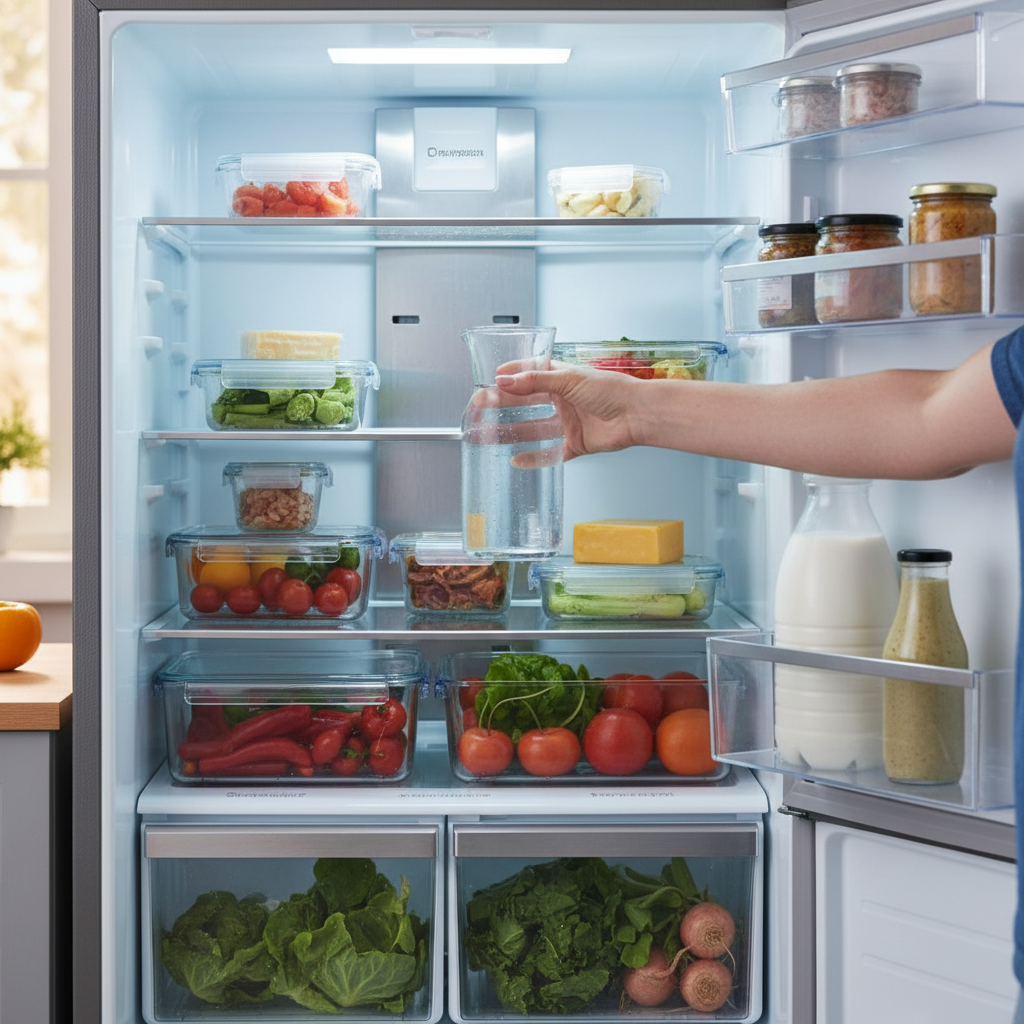
- Overfilling the fridge: Overcrowding restricts airflow, making it harder for the fridge to cool evenly. Leave some space between items.
- Dirty condenser coils: Dust and dirt on the condenser coils prevent them from releasing heat efficiently, making the fridge work harder. Clean the coils regularly with a vacuum cleaner brush attachment.
- Ambient temperature: If your kitchen is very hot, the fridge has to work harder to maintain its temperature.
- Leaving the door open for too long: This lets warm air in, forcing the fridge to use more energy to cool back down.
- Old or worn door seals: If the seals around the fridge door are cracked or damaged, warm air can leak in, reducing efficiency.
Modern Refrigerators (2025-2026)
Modern refrigerators are far more energy-efficient than older models. Here are some of the advancements:
- Inverter Compressors: Many new fridges use inverter compressors, which can adjust their speed based on cooling demand. This is more efficient than traditional compressors that only run at one speed.
- Smart Features: Some fridges have smart features like temperature monitoring, door alarms, and even inventory tracking. These features can help you use your fridge more efficiently and reduce food waste. Imagine getting a notification on your phone reminding you that your milk is about to expire!
- Improved Insulation: Modern fridges have better insulation, which helps to keep the cold air inside and reduces energy consumption.
- More Efficient Refrigerants: Newer refrigerants are more environmentally friendly and have better thermodynamic properties, leading to improved energy efficiency.
Interestingly, some companies are exploring alternative cooling technologies, such as magnetic refrigeration, which could further improve efficiency and reduce environmental impact in the future. It’s worth checking Home, Tech & Daily Life Tips Insight: Feb 10, 2026 for more on cutting edge home tech.
A Clearer Mental Model
Think of your fridge as a heat-moving machine. It’s like a tiny air conditioner that’s constantly pumping heat out of its interior. The refrigerant is the key, changing from liquid to gas and back again to absorb and release heat. By understanding this cycle, you can better understand how to use your fridge efficiently and keep your food fresh.
FAQ Section
Why does my fridge sometimes make a gurgling noise?
That gurgling sound is usually the refrigerant flowing through the coils. It’s perfectly normal and nothing to worry about. It’s like hearing the water flowing through pipes in your house.
Is it better to have my fridge set to the coldest setting?
Not necessarily. The coldest setting can waste energy and may even freeze some foods. A slightly warmer setting is usually sufficient and more energy-efficient. Aim for a temperature between 37°F and 40°F (3°C and 4°C).
How often should I clean my fridge?
Wipe up spills immediately. A more thorough cleaning, including removing shelves and drawers, should be done every month or two. This prevents odors and keeps your fridge running efficiently.
Why does my fridge have a water dispenser but no plumbing connection?
Fridges with non-plumbed water dispensers have a refillable internal tank. You fill the tank manually, and the fridge chills and dispenses the water. They’re convenient if you don’t have a water line nearby.
Can I put hot food directly into the fridge?
It’s best to let hot food cool down a bit before putting it in the fridge. Hot food can raise the temperature inside the fridge, making it work harder and potentially affecting the surrounding food.
Why does my fridge have a lightbulb?
The lightbulb helps you see what’s inside! It’s a simple but essential feature. Some modern fridges use LED lights, which are more energy-efficient and last longer than traditional bulbs.
My fridge is making a loud humming noise. What could be wrong?
A loud humming noise could indicate a problem with the compressor fan motor. Try cleaning the coils first. If the noise persists, it’s best to call a qualified appliance repair technician.
Does it matter where I place food inside the fridge?
Yes! The top shelf is generally the warmest, so it’s good for storing leftovers and drinks. The bottom shelf is the coldest, so it’s ideal for raw meat and fish. Crisper drawers are designed for fruits and vegetables.