
Picture this: It’s a scorching summer afternoon. The sun is blazing, the air hangs heavy, and you walk into your home, only to be greeted by a refreshing blast of cool air. Pure bliss, right? We often take this small miracle for granted, but have you ever stopped to wonder how your air conditioner actually *does* its job? Let’s dive in, without the technical jargon, and uncover the cool secrets behind this everyday marvel.
The Big Picture: Moving Heat, Not Making Cold
At a basic level, this works because an air conditioner doesn’t actually create cold. Instead, it moves heat. Think of it like this: your AC unit is a highly efficient heat transporter. It grabs the heat from inside your house and dumps it outside. What’s left inside? Cooler air. Simple, right?
The Key Players: The Main Parts of an AC System
To understand the process, we need to meet the main players in the AC’s operation. These are the main parts, and while they might sound complex, the roles are pretty straightforward:
- The Compressor: This is the heart of the system. It’s a pump that squeezes a special refrigerant gas, increasing its pressure and temperature.
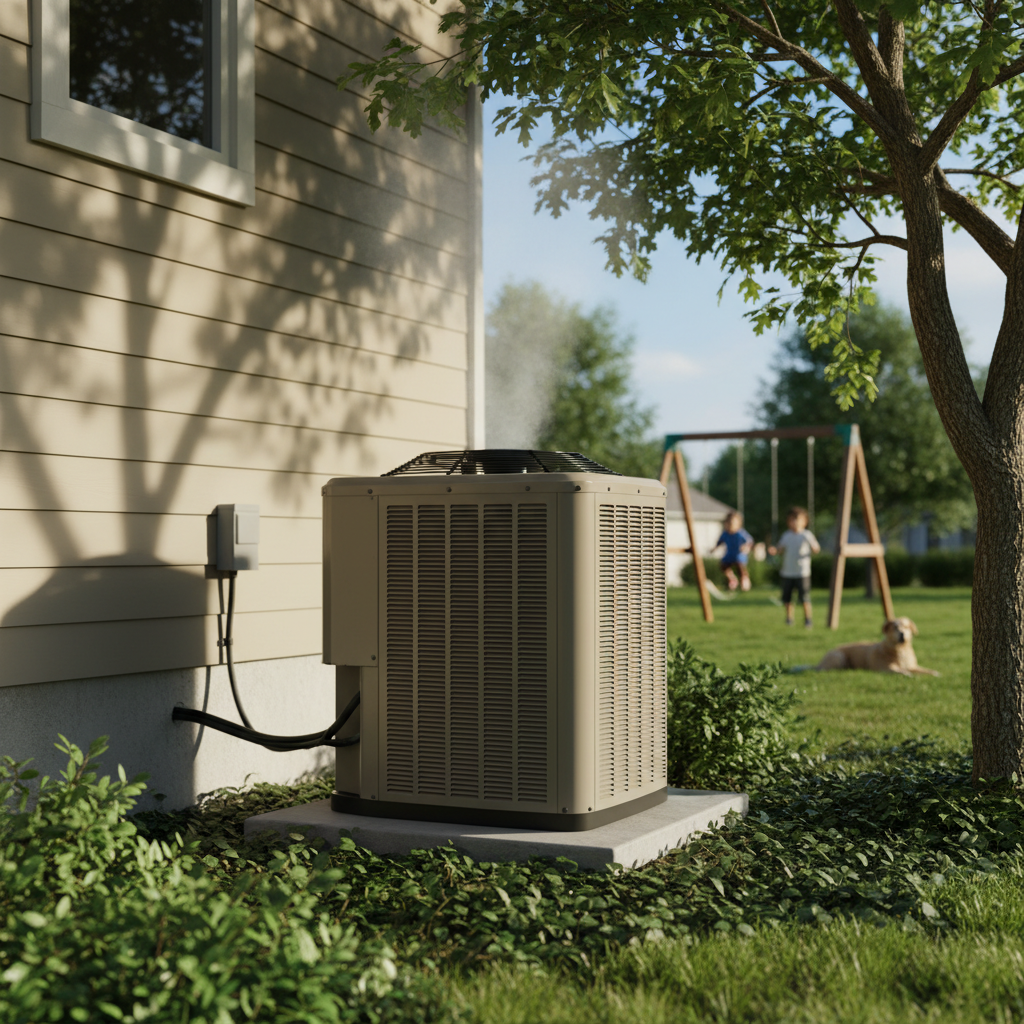
- The Condenser: Usually located outside, the condenser is where the hot, high-pressure refrigerant releases its heat into the outside air. You can think of it like a radiator in a car.
- The Expansion Valve (or Metering Device): This device controls the flow of refrigerant, reducing its pressure and temperature as it enters the evaporator.
- The Evaporator: Inside your home, the evaporator absorbs heat from the air. This is where the magic happens, and the air gets cooled.
- The Refrigerant: This is a special fluid that absorbs and releases heat. It’s the workhorse of the AC system, constantly changing between a gas and a liquid.
Step-by-Step: How the AC Cools Your House
Now, let’s follow the refrigerant’s journey to see how these parts work together, step by step:
- Compression: The compressor starts by squeezing the refrigerant gas, increasing its pressure and temperature. Imagine squeezing a sponge – you’re packing the molecules closer together, which generates heat.
- Condensation: The hot, high-pressure refrigerant travels to the condenser (outside unit). Here, it releases its heat into the outside air and turns into a high-pressure liquid. This is why the outside unit gets hot.
- Expansion: The high-pressure liquid refrigerant then passes through the expansion valve. This valve lowers the pressure of the refrigerant, causing it to cool down rapidly.
- Evaporation: The now-cool, low-pressure refrigerant enters the evaporator (inside unit). The evaporator absorbs heat from the warm air inside your home. As it absorbs the heat, the refrigerant changes back into a gas. This cools the air that’s blown back into your house.
- Repeat: The cool, low-pressure refrigerant gas goes back to the compressor, and the cycle starts all over again. The refrigerant constantly cycles through these steps, moving heat from inside your home to the outside.
The Hidden Wonders: What Most People Don’t See
Here’s the part most people never notice: the cleverness of the refrigerant. This substance has a low boiling point, meaning it easily changes between a liquid and a gas at relatively low temperatures. This makes it perfect for absorbing heat at low temperatures inside and releasing it at higher temperatures outside.
The system is also sealed, which is a key to its efficiency. The refrigerant circulates in a closed loop, so it doesn’t get used up or need to be replaced. Unless there’s a leak, of course.
Common Misconceptions: Debunking the Myths
Let’s clear up some common AC misunderstandings:
- “My AC is making cold air.” Nope, it’s removing heat. Think of it like a vacuum cleaner for heat.
- “The AC is using up the cold.” Cold isn’t a substance; it’s the absence of heat. The AC is simply moving the existing heat.
- “Bigger is always better.” A unit that’s too big can cool a room too quickly, leading to uneven cooling and higher energy bills. Size matters, but a properly sized unit is what you need.
Small Changes, Big Impact: Usage and Performance
Your habits and your home environment can significantly affect how well your AC works. Here’s what you should know:
- Insulation: Proper insulation in your walls and attic keeps the heat out and the cool air in, making your AC more efficient. Think of it as a thermal barrier.
- Sealing: Seal cracks and gaps around windows and doors to prevent outside air from leaking in. This reduces the workload on your AC.
- Thermostat: Set your thermostat to a comfortable temperature and avoid constantly adjusting it. Every degree matters.
- Maintenance: Regular maintenance, such as cleaning or replacing air filters, is key. This ensures that the system runs efficiently. Dirty filters restrict airflow, making the AC work harder.
- Shade: Close your curtains and blinds during the hottest parts of the day to reduce the amount of sunlight and heat entering your home.
Modern Relevance: The Future of Cool
Air conditioning technology is constantly evolving. Here are some trends to watch:
- Smart ACs: Many modern AC units have smart features that allow you to control them remotely, set schedules, and monitor energy usage. Some can even learn your preferences and adjust automatically.
- Energy Efficiency: Manufacturers are constantly working to improve energy efficiency. Look for units with high SEER (Seasonal Energy Efficiency Ratio) ratings.
- Refrigerant Alternatives: There’s a push to replace traditional refrigerants with more environmentally friendly options that have a lower impact on global warming.
- Zoning: Zoning systems allow you to control the temperature in different rooms or areas of your home.
As technology progresses, you can expect further advancements in air conditioning that will bring even greater comfort and efficiency to your home. Perhaps in the future, we’ll see even more innovative cooling methods beyond traditional AC units.
The Takeaway: A Clearer Mental Model
Now that you know how your AC works, you can picture the whole process. It’s a closed-loop system that moves heat from your home to the outside using a refrigerant that changes between liquid and gas. The compressor squeezes the refrigerant, the condenser releases heat, the expansion valve cools it down, and the evaporator absorbs heat inside. The cycle repeats, keeping your home cool and comfortable.
Now, if someone asks you how an AC works, you can confidently explain the core concept: it’s a heat mover, not a cold maker. You’ve gone beyond just knowing it cools you to understanding the mechanics behind it. Congratulations! You now possess a solid understanding of a system that most people take for granted.
Frequently Asked Questions
Let’s address some common questions you might have:
- Why does the outside unit get so hot? The outside unit (condenser) is where the AC releases the heat it has removed from inside your home.
- Why do I need to clean or change my air filter? A dirty air filter restricts airflow, making your AC work harder and less efficiently.
- How often should I have my AC serviced? It’s generally a good idea to have your AC serviced by a professional at least once a year.
- What does SEER mean, and why is it important? SEER (Seasonal Energy Efficiency Ratio) measures the efficiency of your AC unit. Higher SEER ratings mean greater energy savings.
- Why is my AC making a clicking sound? Clicking sounds can sometimes be normal, but if they are frequent or loud, it could indicate a problem with the compressor or other components. Have it checked by a professional.
- What’s the difference between an AC and a heat pump? A heat pump can both cool and heat your home. It works similarly to an AC but can reverse the refrigerant flow to provide heat.
- My AC is not cooling properly. What should I do? First, check the air filter. Then, make sure the vents are open and not blocked. If the problem persists, you should call a qualified HVAC technician.
- Can I improve my AC’s efficiency? Yes! Proper insulation, sealing leaks, setting a reasonable thermostat, and regular maintenance can all improve your AC’s efficiency.
Understanding how your air conditioner works can help you make informed decisions about its use and maintenance. You can also solve some common issues with the information provided in this related article.