
Picture this: It’s Saturday morning, and the laundry basket is overflowing. You toss in your favorite jeans, that lucky shirt, and a mountain of towels. You hit the “start” button, and voila – hours later, clean clothes magically reappear. But have you ever stopped to think about what’s actually happening inside that humming, spinning metal box? Let’s dive in and demystify the humble washing machine, breaking down how it transforms dirty clothes into fresh, wearable garments.
The Core Concept: Mechanical Action and Chemical Magic
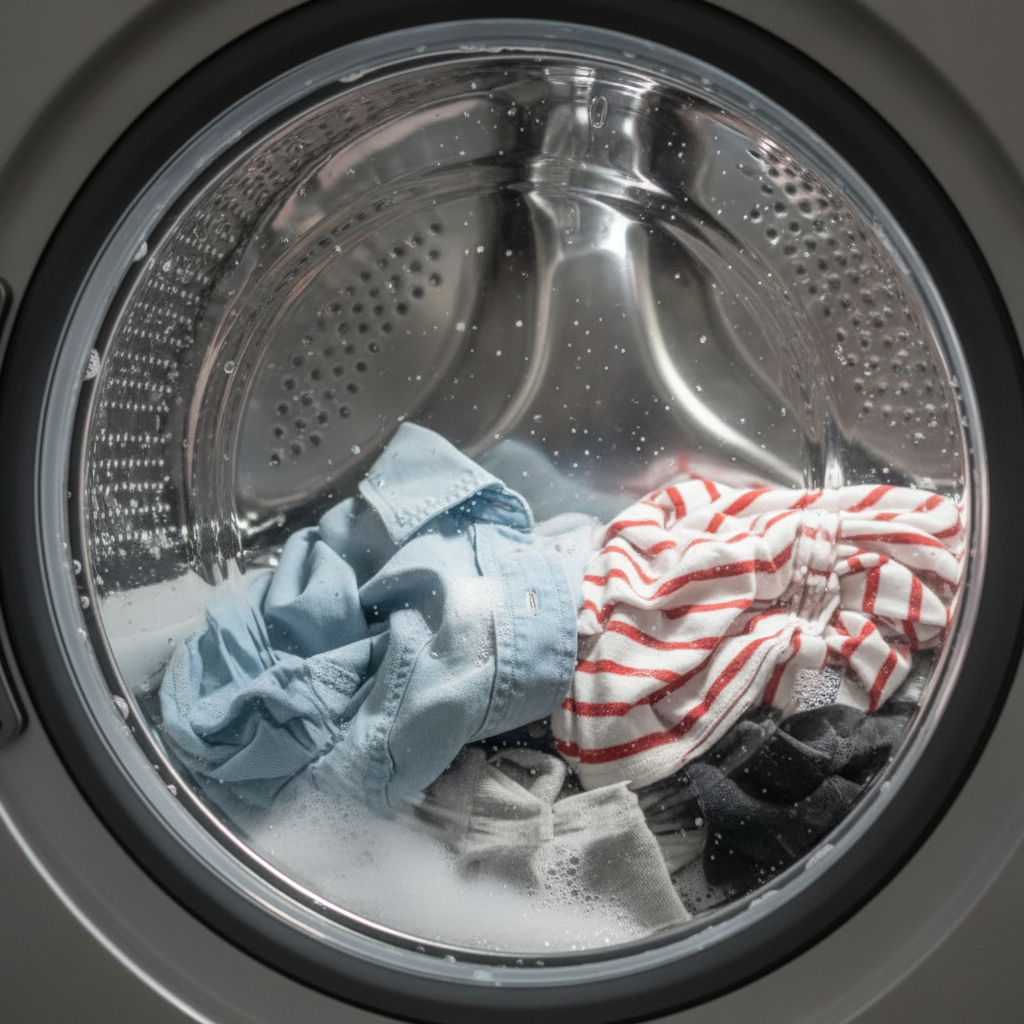
At a basic level, this works because the washing machine combines two key forces: mechanical action and chemical cleaning. Mechanical action refers to the physical scrubbing, tumbling, and agitation that removes dirt. Chemical cleaning involves detergents, which break down stains and suspend dirt in the water so it can be rinsed away. Think of it like this: the machine is like a tiny, automated laundromat in your home.
The Main Players: Decoding the Washing Machine’s Components
Let’s break down the main parts of your washing machine and understand their roles:
- The Tub and Drum: This is where the action happens. The tub is the outer container that holds water, while the drum is the inner basket where you load your clothes. In most machines, the drum rotates, providing the mechanical action to loosen dirt.
- The Motor and Drive System: This is the engine that powers the drum’s rotation. It’s usually a powerful electric motor connected to a system of belts or gears that cause the drum to spin at different speeds for washing, rinsing, and spinning.
- The Water Inlet Valves: These valves control the flow of hot and cold water into the machine. They open and close based on the cycle you’ve selected, ensuring the correct water temperature and level.
- The Drain Pump: After washing and rinsing, the drain pump removes the dirty water from the tub. It’s like a tiny water evacuation system built right into the machine.
- The Detergent Dispenser: This compartment holds your detergent, fabric softener, and sometimes bleach. The dispenser releases these cleaning agents into the wash at the appropriate times during the cycle.
- The Control Panel (the Brains): This is the interface where you select your wash cycle, water temperature, and spin speed. The control panel tells all the other components what to do.
Step-by-Step: Inside a Washing Machine’s Cycle
Now, let’s follow the journey of your clothes through a typical washing cycle:
- Filling: The water inlet valves open, filling the tub to the selected level. The machine measures the water level using a pressure sensor.
- Detergent Release: Once the tub is filled, the detergent dispenser releases detergent into the water.
- Agitation/Tumbling: The motor starts the drum spinning. Agitation (in top-load machines) or tumbling (in front-load machines) begins, with clothes moving through the water and detergent.
- Washing: The clothes soak in the soapy water, and the mechanical action works to remove dirt and stains. This phase can last anywhere from 10-30 minutes, depending on the cycle.
- Draining: The drain pump activates, removing the dirty water from the tub.
- Rinsing: The water inlet valves open again to fill the tub with clean water. The drum then agitates or tumbles to rinse away the remaining detergent and dirt. This process can be repeated for multiple rinses.
- Spinning: The drum spins rapidly to remove excess water from the clothes. The faster the spin speed, the more water is extracted, and the quicker your clothes will dry.
- Final Drain: The drain pump removes the final rinse water.
- Cycle Complete: The machine shuts off, and you can now transfer your clean clothes to the dryer (or the clothesline, if you’re old-school!).
The Impact of Spin Speed: More Than Just Dry Clothes
One of the most significant factors in a washing machine’s performance is spin speed. It’s measured in revolutions per minute (RPM). Higher spin speeds extract more water from your clothes. This has several consequences:
- Faster Drying: Clothes with less water content require less time in the dryer, saving you energy and money.
- Reduced Wrinkling: A higher spin speed can help minimize wrinkles, making ironing easier (or even unnecessary!).
- Potential Wear and Tear: While beneficial, extremely high spin speeds can put more stress on the fabric and the machine’s components.
Common Misconceptions: Debunking the Myths
Let’s clear up some common misunderstandings about washing machines:
- More Detergent = Cleaner Clothes: False! Using too much detergent can leave residue on your clothes, making them stiff and attracting more dirt. Always follow the detergent manufacturer’s instructions.
- Hot Water Always Cleans Best: While hot water is excellent for sanitizing, it can also fade colors and shrink certain fabrics. Cold water is often sufficient for most loads, especially with modern detergents.
- All Machines Are the Same: Not true! Top-load and front-load machines operate differently, with front-loaders generally being more efficient and gentler on clothes. There are also machines with special features like steam cleaning and smart technology.
Why Small Changes Matter: Your Habits and Your Machine
Your washing machine’s performance isn’t just about the machine itself. Your habits and environment also play a crucial role:
- Load Size: Overloading the machine prevents clothes from moving freely, reducing cleaning effectiveness. Underloading wastes water and energy.
- Detergent Choice: Use the right type of detergent for your machine (HE detergents for HE machines) and the appropriate amount.
- Water Hardness: Hard water can reduce detergent’s effectiveness. Consider using a water softener or adjusting your detergent amount accordingly.
- Regular Maintenance: Clean the detergent dispenser and run a cleaning cycle periodically to prevent mold and buildup.
- Water Temperature: Hot water is great for whites and heavily soiled items, but cold water is often sufficient for many loads and saves energy.
Modern Relevance: The Smart Washing Machine Era
Washing machines are evolving. Here’s a glimpse into the future:
- Smart Features: Wi-Fi-enabled machines allow you to control and monitor your laundry from your smartphone. You can start cycles remotely, receive alerts when a load is finished, and even diagnose problems.
- Advanced Sensors: Some machines have sensors that automatically adjust water levels and cycle times based on the load’s size and fabric type.
- Water and Energy Efficiency: Manufacturers are continuously working to improve water and energy efficiency, leading to machines that use less water and electricity while still delivering excellent cleaning performance.
- Specialized Cycles: From steam cleaning cycles for sanitizing to delicate cycles for your fine garments, modern machines offer an array of specialized settings to handle all your laundry needs.
The Laundry Room of Tomorrow
The future of laundry is looking pretty bright. With each passing year, washing machines become more convenient, more efficient, and more environmentally friendly. From smart features that simplify your life to advanced cleaning technologies, your laundry experience can be both effective and enjoyable. The industry is always evolving, and there are many opportunities for growth in the future.
FAQ: Your Washing Machine Questions Answered
Here are some frequently asked questions about washing machines:
- Why does my washing machine smell musty?
This is often due to mold and mildew. Clean your machine regularly, leaving the door open after each wash to allow it to dry out.
- How often should I clean my washing machine?
Run a cleaning cycle (using a washing machine cleaner or vinegar and baking soda) every month or two, depending on usage.
- What’s the difference between HE and non-HE detergents?
HE (High Efficiency) detergents are designed for low-water machines, producing fewer suds. Using the wrong detergent can damage your machine and leave residue on clothes.
- Why is my washing machine shaking so much?
This can be caused by an unbalanced load or the machine not being level. Make sure the load is distributed evenly and the machine is sitting on a stable surface. Also, ensure the transit bolts are removed if it’s a new machine.
- How do I choose the right wash cycle?
Consider the fabric type and level of soiling. Use delicate cycles for fragile items, normal cycles for everyday clothes, and heavy-duty cycles for heavily soiled items.
- Can I wash anything in the washing machine?
Check the care labels on your clothes. Some items, like dry-clean-only garments, should not be washed in a machine.
- What is the best way to prevent clothing from fading?
Turn clothes inside out before washing, use cold water, and use a detergent specifically designed for colored clothes. Avoid over-drying your clothes, as this can also lead to fading.
Understanding how your washing machine works is key to keeping your clothes clean and your machine running smoothly. By taking care of your machine, you can also extend its life. With a little knowledge and care, you can make the most of this workhorse appliance and make laundry day a little less of a chore.