
Picture this: You hop into the shower after a long day, crank the hot water, and… bliss. That comforting warmth washes over you, melting away the stress. But have you ever stopped to wonder where that hot water comes from, especially when you’re not instantly using the hot water from the pipes? How does your water heater continuously keep a large volume of water hot, ready for your needs?
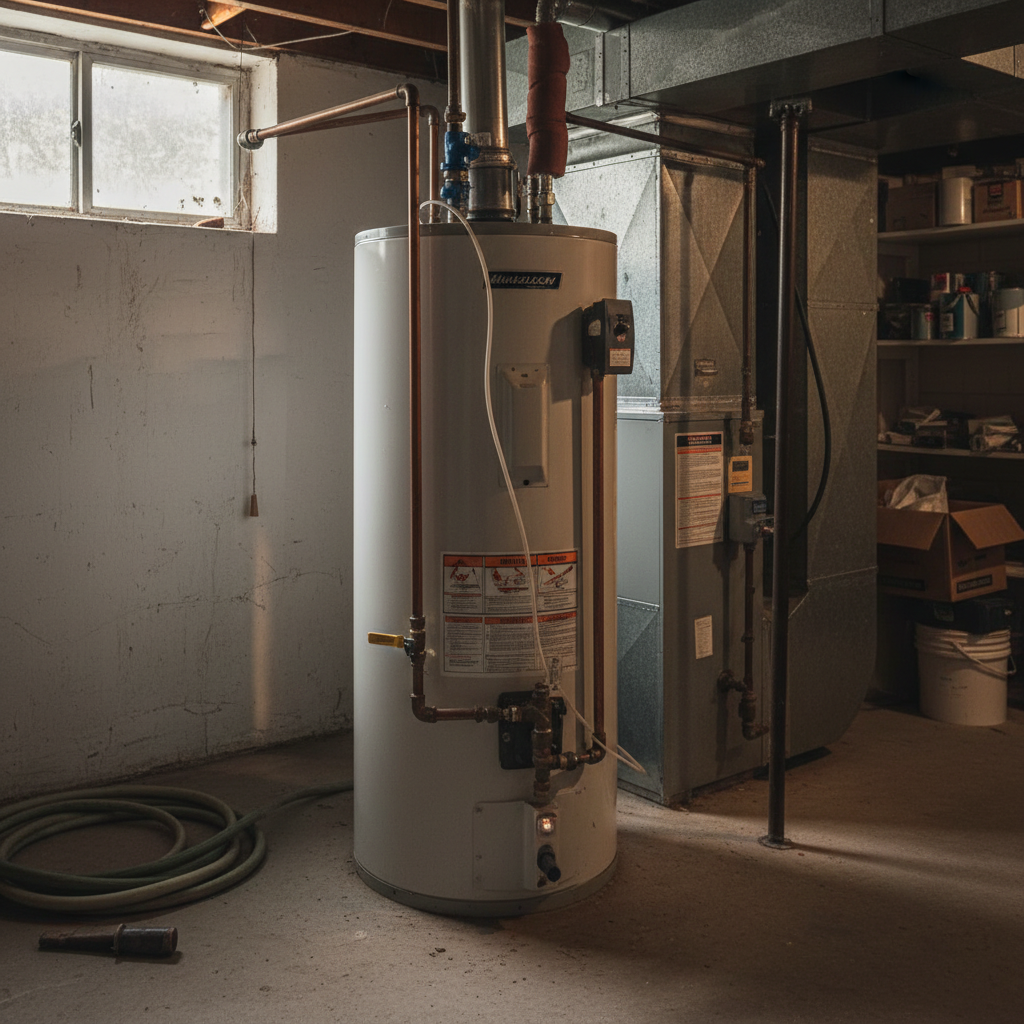
We take hot water for granted. It’s a silent servant, always ready to deliver. But behind the scenes, a fascinating dance of physics and engineering keeps it flowing. Let’s pull back the curtain and explore how your home’s water heater works.
The Big Picture: Heat Transfer and Storage
At its core, a water heater’s job is simple: to heat water and keep it hot. This process relies on a few key principles:
- Heat Transfer: This is how heat moves from a source (like gas or electricity) to the water.
- Storage: The water heater acts as a giant thermos, storing the heated water until you need it.
- Thermodynamics: Understanding that heat will transfer from a hot object to a cooler one, is key to the water heater’s design.
Think of it like a giant pot on the stove. The stove (heat source) warms the pot (water heater tank), which in turn heats the water inside. Simple, right? But as with everything, the details are what make it interesting.
Breaking Down the Parts: What Makes It Work
Let’s dissect the main components of a typical residential water heater:
The Tank
This is the heart of the system – a large, insulated container where the water is stored and heated. Tanks are usually made of steel, coated with a protective layer (often glass or enamel) to prevent corrosion. The size of the tank varies, typically ranging from 20 to 80 gallons, depending on your household’s needs. The larger the tank, the more hot water you have on demand. However, a larger tank also means more energy needed to keep the water hot all the time. This is where the insulation is important.
The Heating Element (Electric) or Burner (Gas)
This is the workhorse of the system, responsible for transferring heat to the water.
- Electric water heaters use one or two electric heating elements, similar to those found in an oven. These elements are submerged in the water and heat it directly when electricity passes through them.
- Gas water heaters use a gas burner located at the bottom of the tank. The burner heats the surrounding water. A flue pipe vents the exhaust gases safely outside your home.
Insulation
The tank is wrapped in a thick layer of insulation (fiberglass or foam) to minimize heat loss to the surrounding environment. This is crucial for efficiency. A well-insulated tank keeps the water hot for longer, reducing the need for the heating element or burner to turn on as frequently.
The Thermostat
This is the brain of the operation, controlling the water temperature. It monitors the water temperature and signals the heating element or burner to turn on when the water gets too cold. You can adjust the thermostat to set your desired water temperature, but most experts recommend setting it to 120°F (49°C) to balance comfort, energy efficiency, and safety. Higher temperatures can lead to scalding.
The Dip Tube
This tube brings cold water into the tank, usually near the bottom. This design ensures that the cold water mixes with the hot water near the top, where the hot water outlet is. This prevents the hot and cold water from directly mixing, optimizing the heating process.
The Anode Rod
This sacrificial rod, usually made of magnesium or aluminum, is inserted into the tank to protect it from corrosion. It attracts corrosive elements in the water, preventing them from damaging the tank itself. The anode rod slowly degrades over time and needs to be replaced periodically (typically every 3-5 years) to ensure continued tank protection.
The Relief Valve
A safety device that releases water pressure if the tank’s pressure becomes too high. This prevents the tank from exploding. The valve is usually located at the top of the tank and releases water through a discharge pipe. The expansion tank, especially in homes with a closed water system, addresses thermal expansion within the water heater, safeguarding against pressure build-up and potential failure.
How It All Works Together: Step by Step
Now, let’s follow the journey of water through a typical gas water heater, although the process is similar for electric models:
- Cold Water Enters: Cold water enters the tank through the dip tube, flowing towards the bottom.
- Heating Begins: The thermostat senses the water temperature. If it’s below the set point, it signals the gas burner to ignite.
- Heat Transfer: The burner heats the water surrounding it, warming the tank from the bottom up.
- Water Heats: As the water heats up, it rises. Cooler water descends to the bottom, where it is heated, creating a circulation pattern.
- Hot Water Ready: When the water reaches the set temperature, the thermostat shuts off the burner. The water remains hot thanks to the tank’s insulation.
- Hot Water Usage: When you open a hot water tap, hot water flows out of the tank from the top. Simultaneously, cold water enters the tank through the dip tube to replace the used hot water.
- Cycle Repeats: The thermostat monitors the water temperature and restarts the heating process as needed to maintain the desired temperature.
Common Misconceptions, Debunked
There are a few common misconceptions about how water heaters work:
- “The bigger the tank, the better.” While a larger tank provides more hot water, it also consumes more energy to keep that water hot. Consider your household’s hot water usage when choosing a tank size.
- “Turning off the water heater when you’re not using it saves money.” In most cases, it’s more energy-efficient to keep the water heater on, especially if you use hot water regularly. The insulation helps minimize heat loss.
- “My water heater will last forever.” Water heaters have a lifespan, typically 8-12 years. Regular maintenance (flushing the tank, checking the anode rod) can extend their lifespan, but eventually, you’ll need a replacement.
- “The water heater is a simple appliance that never needs attention.” While water heaters are relatively low-maintenance, they do require some attention, such as annual flushing to remove sediment buildup. Ignoring the water heater can lead to lower efficiency, reduced lifespan, and potentially, leaks.
The Impact of Usage and Environment
Several factors can influence the performance and lifespan of your water heater:
- Water Quality: Hard water (water with high mineral content) can cause sediment buildup in the tank, reducing efficiency and potentially damaging the heating element or burner. Consider a water softener if you have hard water.
- Usage Habits: Taking long showers, running the dishwasher frequently, and washing multiple loads of laundry all put a strain on your water heater. Be mindful of your hot water usage to avoid running out.
- Temperature Setting: Setting your water heater too high can waste energy and increase the risk of scalding.
- Maintenance: Regular maintenance, such as flushing the tank to remove sediment and inspecting the anode rod, is essential for optimal performance and longevity.
- Insulation: If your water heater is in an unheated space (like a garage), consider insulating the tank and any exposed hot water pipes to reduce heat loss.
Modern Relevance: The Rise of Energy Efficiency
In today’s world, energy efficiency is more important than ever. Water heaters are no exception. The U.S. Department of Energy (DOE) sets efficiency standards for water heaters, measured by their Energy Factor (EF). This number indicates the efficiency of the unit; the higher the EF, the more efficient the water heater.
Here are some modern innovations in water heater technology:
- Tankless Water Heaters: These heat water on demand, eliminating the need for a storage tank. They are very energy-efficient but have a higher upfront cost and may require an upgrade to your gas or electrical service.
- Heat Pump Water Heaters: These use heat pump technology to extract heat from the surrounding air and transfer it to the water, making them significantly more efficient than traditional electric water heaters.
- Smart Water Heaters: Some water heaters come with smart features, such as Wi-Fi connectivity, that allow you to monitor energy usage, set schedules, and receive alerts. Some models have leak detection features.
- Solar Water Heaters: These use solar panels to heat water, reducing your reliance on traditional energy sources.
These advances, combined with a focus on sustainable living, are reshaping how we heat water in our homes. Whether it’s the latest heat pump technology or a smart water heater, the goal is the same: to provide hot water efficiently and cost-effectively.
Understanding for the Real World
So, the next time you’re enjoying a hot shower, you can appreciate the intricate system working behind the scenes. Your water heater is a reliable appliance, but it’s not a magic box. Understanding its basic principles – heat transfer, storage, and the role of key components – empowers you to make informed decisions about its use, maintenance, and replacement.
You can explain to someone how the water heater works. At a basic level, the water heater heats water, keeps it hot, and provides it to you when you need it. The tank stores the water, the heating element or burner provides the heat, and the thermostat controls the temperature. You now know some of the key parts and how they work together, giving you a better mental model of how a water heater really works.
FAQ: Your Water Heater Questions Answered
Here are some frequently asked questions about water heaters, answered in simple terms:
- Why isn’t my water hot? Check the circuit breaker (for electric heaters) or the gas supply (for gas heaters). The thermostat may also need adjustment. If the problem persists, the heating element or burner may need replacing.
- How long does a water heater last? Typically, 8-12 years. Regular maintenance, like flushing the tank, can extend its lifespan.
- How often should I flush my water heater? At least once a year to remove sediment buildup.
- What temperature should my water heater be set at? 120°F (49°C) is a good balance of comfort, energy efficiency, and safety.
- What is a sacrificial anode rod and why is it important? It protects the tank from corrosion by attracting corrosive elements. You should replace it every 3-5 years.
- Is it more efficient to turn off my water heater when I go on vacation? Probably not. Unless you’re gone for weeks, the energy savings are likely minimal.
- What’s the difference between a tank water heater and a tankless water heater? Tank water heaters store and heat water in a tank. Tankless water heaters heat water on demand, as you need it.
- Why is my water heater making noise? Sediment buildup can cause popping or rumbling sounds. Flushing the tank may resolve the issue. If the noise is excessive, consult a professional.
By understanding how your water heater works, you can take better care of it, save energy, and ensure that you always have access to the hot water you need. You might be surprised at how much there is to know about this everyday appliance!