
Think about it: You plug in your phone charger, a lamp, or maybe even your air fryer. Boom, instant power. We do this every day, multiple times a day, without a second thought. But have you ever truly considered what’s happening inside that unassuming little outlet on your wall?
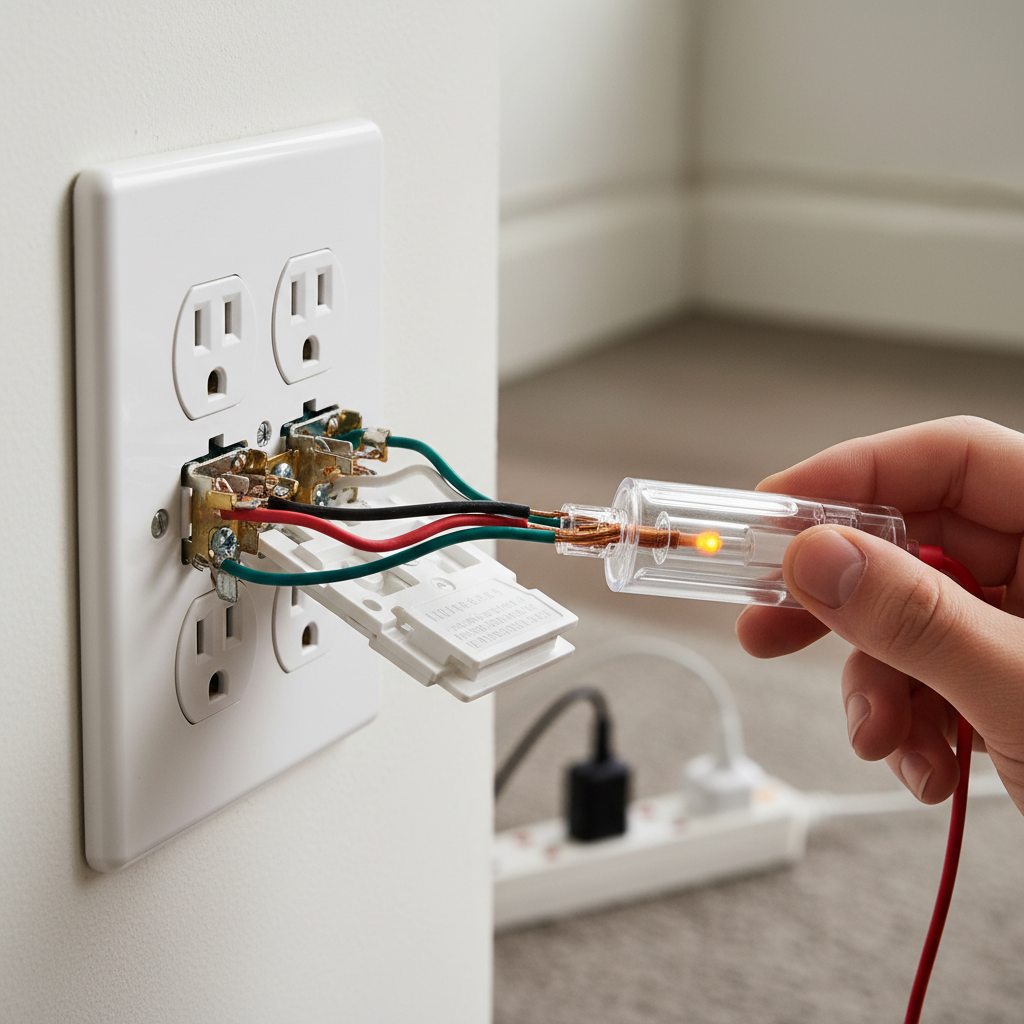
It’s a gateway, a portal to a vast and complex system. And understanding how it works isn’t just a nerdy exercise; it gives you a better appreciation for the energy we consume and how to use it safely and efficiently. So, let’s dive in. Let’s pull back the cover (metaphorically, of course!) and see what’s really going on.
The Basic Principle: Electricity’s Journey Home
At a basic level, this works because of a simple concept: electrons. Imagine tiny little particles, constantly buzzing around, trying to find their way “home.” In the context of electricity, “home” is the power source, like the power plant miles away, where electricity is generated. The electrical outlet provides the pathway, a safe and controlled route for these electrons to flow.
Think of it like a river. The power plant is the source of the water (electrons), and the wires in your walls are the riverbeds. Your appliances are the boats that use the river to get to their destination. The outlet is just the place where you can conveniently hop on board.
Breaking It Down: The Anatomy of an Outlet
Let’s take apart the outlet (again, metaphorically). Here’s what you’ll find:
- The Outer Shell: This is the plastic or metal casing you see. It protects the internal components and provides a safe place to plug things in.
- The Terminals: These are the screws or clamps where the wires from your home’s electrical system connect. You’ll usually see three:
- Hot Wire (Black Wire): This carries the electricity from the power source.
- Neutral Wire (White Wire): This provides the return path, the way for the electricity to flow back to the source.
- Ground Wire (Green or Bare Wire): This is a safety feature, designed to redirect electricity to the ground in case of a fault (more on that later).
- The Contacts: These are the metal parts inside the outlet that actually grip the prongs of your plug. They’re designed to make a tight, secure connection, allowing the electricity to flow without interruption.
Once you understand this, the rest makes sense. The wires from your home’s electrical panel (the main distribution point) are connected to the terminals on the outlet. When you plug in an appliance, you’re completing the circuit, providing a pathway for the electricity to flow from the hot wire, through the appliance, and back to the neutral wire. The ground wire offers an extra level of protection.
The Step-by-Step Flow: From Power Plant to Phone Charger
Let’s trace the journey of electricity, from the moment it leaves the power plant to the moment it charges your phone. This illustrates how the whole system works together:
- Generation: At the power plant (coal, nuclear, solar, etc.), energy is used to spin turbines, which generate electricity.
- Transmission: The electricity is stepped up to a very high voltage (thousands of volts) to be transmitted efficiently over long distances through high-voltage power lines.
- Substations: Substations along the way step the voltage down to a lower level, making it safer for distribution.
- Distribution: The electricity flows through power lines to your neighborhood, often running along the streets or even underground.
- Transformer: A transformer on a nearby pole or in a green box on your property steps the voltage down again, to the 120 or 240 volts used in your home.
- Service Entrance: The electricity enters your home through a service entrance, which includes a meter to measure your energy usage and a main breaker to shut off power in case of an overload.
- Electrical Panel: The electricity flows to your electrical panel (also called a breaker box), where it’s distributed to various circuits throughout your home.
- Wiring: Wires (like those mentioned in the outlet anatomy section) run through your walls, connecting to outlets, light fixtures, and appliances.
- The Outlet: When you plug in your phone charger, you’re completing the circuit. Electricity flows from the hot wire, through the charger, and back to the neutral wire, powering your phone.
It’s a remarkable chain of events, isn’t it? From a distant power plant to the little light on your charger. This whole process is more complex than you might imagine, with numerous safety mechanisms and regulations in place to make sure it functions correctly.
Common Misconceptions: Debunking the Myths
There are a few misconceptions floating around about electrical outlets that deserve a good debunking:
- “More Amps Means More Power”: The “amps” rating on an outlet (usually 15 or 20 amps) refers to the maximum amount of current (the flow of electricity) it can safely handle. It doesn’t mean the outlet provides “more power.” The power (measured in watts) depends on both the voltage (120 volts in most homes) and the current. Using an appliance that draws more current than the outlet is rated for will trip the breaker.
- “All Outlets are the Same”: While most outlets look similar, there are different types designed for specific purposes. For example, a 240-volt outlet for an electric dryer or oven looks different from a standard 120-volt outlet.
- “Electricity Always Flows”: Electricity flows in a circuit. It requires a complete loop (from the power source, through the appliance, and back to the source) to work. If there’s a break in the circuit (like a blown fuse or tripped breaker), the electricity stops flowing.
How Usage Habits and Environment Affect Performance
Even though your outlets are designed to be reliable, some factors can impact their performance and safety:
- Overloading Circuits: Plugging too many appliances into a single circuit (a group of outlets wired together) can overload the circuit and trip the breaker. Avoid using multiple high-wattage appliances (hair dryers, space heaters, etc.) on the same circuit simultaneously.
- Loose Connections: Over time, the connections inside an outlet can loosen, creating a potential fire hazard. If an outlet feels warm to the touch, or if you notice sparks, it’s a sign of a loose connection, and you should have it checked by a qualified electrician.
- Water and Moisture: Water and electricity don’t mix! Keep outlets away from water sources, and never touch an electrical appliance with wet hands. Use ground fault circuit interrupter (GFCI) outlets in bathrooms, kitchens, and other areas where water is present.
- Age and Wear: Outlets wear out over time. If your outlets are old, cracked, or damaged, it’s time to replace them.
Modern Relevance: Electricity in a Smart Home
In today’s world, electricity isn’t just about powering your TV and refrigerator. It’s the backbone of the “smart home” revolution. Consider these modern applications:
- Smart Plugs: These allow you to control devices remotely, monitor energy usage, and set schedules.
- Smart Lighting: LED smart bulbs can change color, brightness, and be controlled via your smartphone or voice assistant.
- Electric Vehicle (EV) Charging: If you own an EV, you’ll need a dedicated 240-volt outlet or a charging station.
- Home Automation: Smart home systems integrate all these technologies, allowing you to control your entire home’s electrical system from a single interface.
As technology evolves, our reliance on electricity will only increase. Understanding how outlets work is more important than ever.
A Clearer Mental Model: Explaining Outlets to Others
So, how would you explain an electrical outlet to someone else now? Here’s a simple way:
“An outlet is just a safe connection point. It’s like a doorway that allows electricity to flow from the power company into your appliances. The outlet has three wires: one that brings the electricity in, one that takes it back out, and a safety wire to protect you if something goes wrong. When you plug something in, you’re simply completing a circuit, so the electricity can power the device.”
That’s it. No need to get bogged down in technical jargon. You’ve got the basic principle down: Electricity flows in a circuit, and the outlet is a safe and convenient way to tap into that flow.
FAQs: Your Burning Questions Answered
Here are some frequently asked questions about electrical outlets and their operation, along with simple answers:
- Why do outlets have three holes or slots? The two slots are for the hot and neutral wires, and the round hole is for the ground wire. The ground wire is a safety feature that protects you from electrical shock.
- What’s the difference between 15-amp and 20-amp outlets? The amp rating refers to the maximum amount of current the outlet can safely handle. 20-amp outlets are designed for appliances that draw more power, like some kitchen appliances.
- What should I do if an outlet sparks? Immediately stop using the outlet and call a qualified electrician. Sparks indicate a problem, such as a loose connection, which can be a fire hazard.
- Why does my breaker keep tripping? This usually means you’re overloading the circuit. Try unplugging some appliances or moving them to a different circuit. If it continues to trip, have an electrician check the circuit for problems.
- Can I plug a 3-prong plug into a 2-prong outlet? Yes, with an adapter that connects the ground wire. However, it’s best to have the outlet replaced with a 3-prong outlet for added safety.
- What are GFCI outlets, and why are they important? GFCI (Ground Fault Circuit Interrupter) outlets are designed to quickly shut off power if they detect a ground fault, which can prevent electrical shock. They are required in bathrooms, kitchens, and other areas where water is present.
- How often should I replace my outlets? There’s no set lifespan, but outlets should be replaced if they are old, cracked, loose, or damaged. Also, if they frequently fail to hold plugs securely, it’s time for a replacement.
- Are electrical outlets the same everywhere? No, outlet types vary by country. The United States uses Type A and B outlets, while other countries use different types. If you’re traveling, you may need an adapter.
Understanding how your home’s electrical outlets work demystifies a critical aspect of modern life. It empowers you to use electricity safely, efficiently, and with a greater sense of awareness. From the power plant to your phone, the flow of electrons is a marvel of modern engineering, and a simple outlet is your everyday portal to this unseen power. Consider reading The Silent Thief: How Your Smartphone Habits Are Costing You (And What to Do About It) to learn about how small changes in your habits can impact your energy consumption.