
Picture this: It’s a hot summer day, and you’re craving a refreshing drink. You reach into your refrigerator, grab a chilled bottle, and instantly feel that wave of cool relief. But have you ever stopped to wonder how your refrigerator performs this everyday magic? It’s a marvel of engineering, a silent workhorse keeping your food fresh and your drinks cold, all without you ever giving it a second thought. Let’s pull back the curtain and understand the fascinating, yet surprisingly simple, science behind your refrigerator.
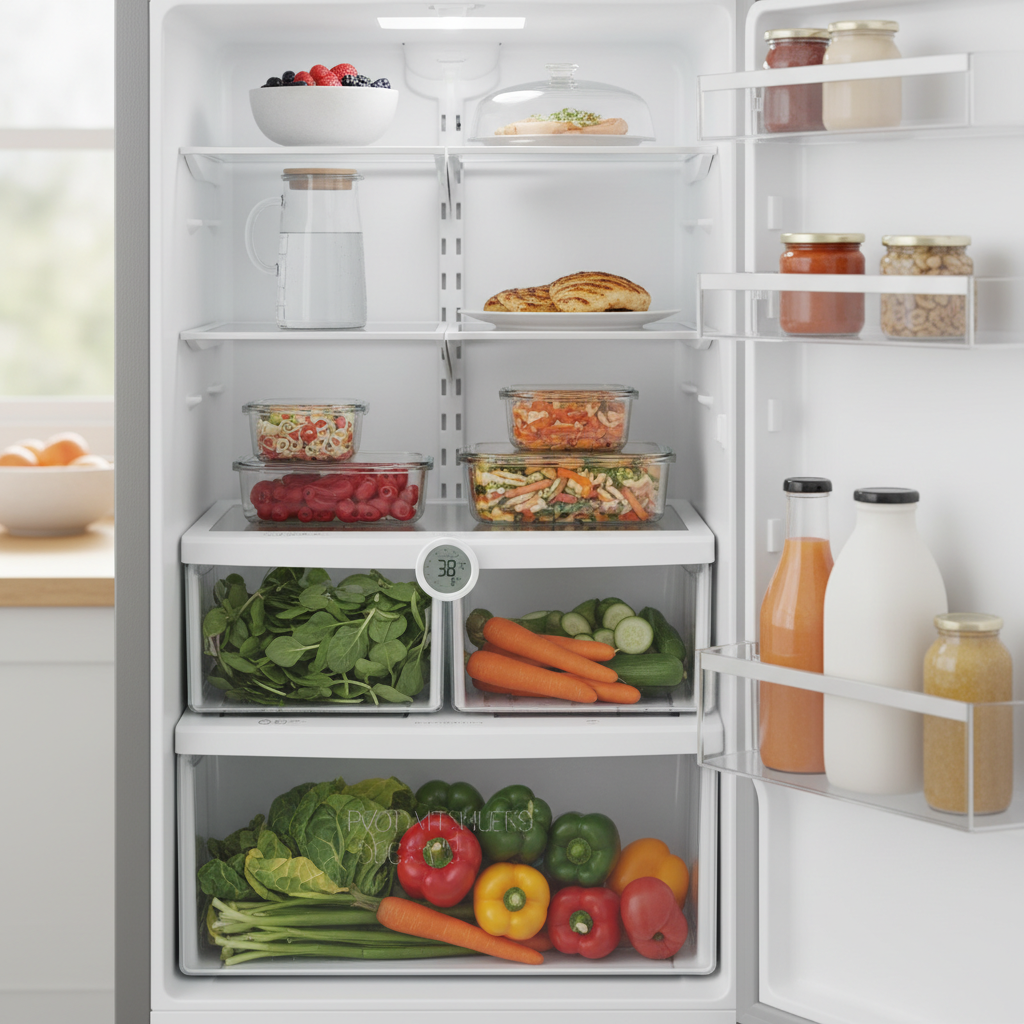
The Big Picture: What Your Fridge Actually Does
At a basic level, your refrigerator is an expert at moving heat. It doesn’t *create* cold; instead, it *removes* heat from the inside, transferring it to the outside. Think of it like a tireless worker constantly sweeping up warmth and tossing it out the back door. This process is called the refrigeration cycle, and it’s the heart of how your fridge operates.
This cycle involves a special fluid, called a refrigerant, that has a remarkable ability: it can easily change between a liquid and a gas at different temperatures and pressures. By carefully controlling this fluid’s state, the fridge can absorb heat from the inside and release it outside, creating a consistently cold environment for your groceries.
Breaking It Down: The Key Parts of a Refrigerator
To understand the refrigeration cycle, let’s meet the main players in your fridge’s internal drama:
- The Compressor: This is the workhorse of the operation. It’s a pump that compresses the refrigerant gas, increasing its pressure and temperature. Think of it as squeezing the gas into a smaller space, making it supercharged and ready to give up its heat.
- The Condenser: Found on the back or sometimes the bottom of your fridge, this is where the magic of heat release happens. The hot, high-pressure refrigerant gas flows through the condenser coils, where it cools down and condenses back into a high-pressure liquid. As it cools, it releases heat into the surrounding environment – that’s why the back of your fridge feels warm.
- The Expansion Valve: This clever little valve is like a traffic controller for the refrigerant. It reduces the pressure of the liquid refrigerant, which causes it to expand and cool down rapidly.
- The Evaporator: Located inside the fridge, the evaporator is where the cool, low-pressure refrigerant absorbs heat from the fridge’s interior. This is where the magic of cooling happens. The refrigerant boils and turns into a gas, absorbing the heat from your food and the air inside the fridge.
- The Refrigerant: This is the special fluid that makes the whole process possible. It circulates continuously, absorbing and releasing heat as it changes state. Modern refrigerators use refrigerants that are environmentally friendly.
Step-by-Step: The Refrigeration Cycle Unveiled
Now, let’s follow the refrigerant on its journey through the refrigeration cycle, from start to finish:
- Compression: The compressor sucks in low-pressure refrigerant gas and compresses it, increasing its pressure and temperature.
- Condensation: The hot, high-pressure refrigerant gas flows through the condenser coils, releasing heat to the outside and condensing into a high-pressure liquid.
- Expansion: The high-pressure liquid refrigerant passes through the expansion valve, where its pressure drops dramatically, causing it to cool down.
- Evaporation: The cool, low-pressure refrigerant flows through the evaporator coils inside the fridge, absorbing heat from the interior and boiling into a gas.
- Back to the Beginning: The now-warm, low-pressure refrigerant gas returns to the compressor, and the cycle begins anew.
Common Misconceptions: Debunking Fridge Myths
There are a few common misconceptions about how refrigerators work. Let’s clear up some confusion:
- Myth: The fridge *creates* cold air.
- Reality: The fridge removes heat, making the inside cold.
- Myth: The back of the fridge is where the cold air comes from.
- Reality: The back is where the heat is *released*. The cold air comes from the evaporator coils inside the fridge.
- Myth: Your fridge uses a lot of electricity just to *stay* cold.
- Reality: Modern fridges are designed to be energy-efficient. They cycle on and off to maintain the desired temperature, using the most energy when they’re actively cooling.
How Your Habits and Environment Affect Fridge Performance
Several factors can impact how well your refrigerator functions. Here are a few things to keep in mind:
- Door Openings: Every time you open the fridge door, warm air rushes in, and the fridge has to work harder to remove the heat. Try to minimize the time the door is open.
- Hot Food: Putting hot food directly into the fridge forces it to work overtime to cool it down. Let food cool down to room temperature first.
- Airflow: Ensure items aren’t blocking the vents inside the fridge. Good airflow helps maintain a consistent temperature.
- Location: Avoid placing your fridge near heat sources like ovens or direct sunlight. This makes it work harder to stay cool.
- Seals: Check the door seals regularly. If they’re damaged or not sealing properly, warm air will leak in, and the fridge will struggle to maintain its temperature.
- Temperature Settings: Make sure your fridge is set to the correct temperature. A temperature of 37-40°F (3-4°C) is ideal for the fridge, and 0°F (-18°C) for the freezer.
Modern Relevance: The Smart Fridge Revolution
Technology has brought a new level of sophistication to the humble refrigerator. Smart fridges are now equipped with features like:
- Built-in cameras: Allowing you to see what’s inside without opening the door.
- Touchscreen displays: For managing food inventory, creating shopping lists, and even streaming music or videos.
- Smart connectivity: Allowing you to control and monitor your fridge remotely, receiving alerts if the door is left open or if the temperature rises.
- Energy efficiency features: Such as adaptive defrost cycles and variable-speed compressors, reducing energy consumption and optimizing performance.
These features represent a significant leap forward in convenience and efficiency, streamlining our daily routines and helping us make the most of our food resources.
The Final Picture: Your Fridge, Explained
So, the next time you reach for a cold drink, you can appreciate the intricate dance of physics and engineering that makes it possible. Your refrigerator is a sophisticated machine that expertly moves heat, keeping your food fresh and your drinks chilled. By understanding the basic principles and the key components, you can troubleshoot issues, extend the life of your appliance, and make the most of its amazing capabilities. Now, you can explain how your fridge works to anyone!
Frequently Asked Questions (FAQs)
Here are some common questions people have about refrigerators:
- Why is the back of my fridge warm? The back of your fridge houses the condenser coils, which release the heat that the fridge has removed from the inside.
- Why does my fridge make strange noises? Refrigerators can make various noises due to the compressor, fans, and the refrigerant flowing through the system. Some noise is normal.
- How long should my fridge last? With proper care and maintenance, a refrigerator can last for 10-20 years or more.
- How often should I clean my fridge? It’s a good idea to clean your fridge regularly, at least once a month, to prevent food spoilage and maintain hygiene.
- What’s the ideal temperature for my fridge? Aim for a temperature between 37-40°F (3-4°C) in the fridge and 0°F (-18°C) in the freezer.
- Why is my food freezing in the fridge? If your food is freezing, the temperature is too low. Adjust the temperature setting slightly warmer.
- How can I make my fridge more energy-efficient? Keep the door closed, avoid putting hot food inside, ensure good airflow, and clean the condenser coils regularly. Also consider a newer, energy-efficient model.
- My fridge isn’t cooling, what should I do? First, check the power supply and temperature settings. If those are fine, check the door seals and the condenser coils. If the problem persists, you might need to call a repair technician.
Understanding how your refrigerator works is just one step in comprehending the many fascinating technologies that shape our daily lives. From the simple act of keeping your food fresh to the complex systems of air conditioning, the principles of heat transfer are all around us. If you are interested in learning about how something else works, such as an air conditioner, you can read more here: How Air Conditioners Keep You Cool: A Simple Explanation.