
Picture this: You’re rummaging through your fridge, hunting for that leftover biryani. You pull out the container, and… relief! The food is perfectly preserved, ready to eat. But have you ever stopped to wonder how your refrigerator performs this everyday miracle? It’s not just a box that magically keeps things cold; there’s a fascinating process at work.
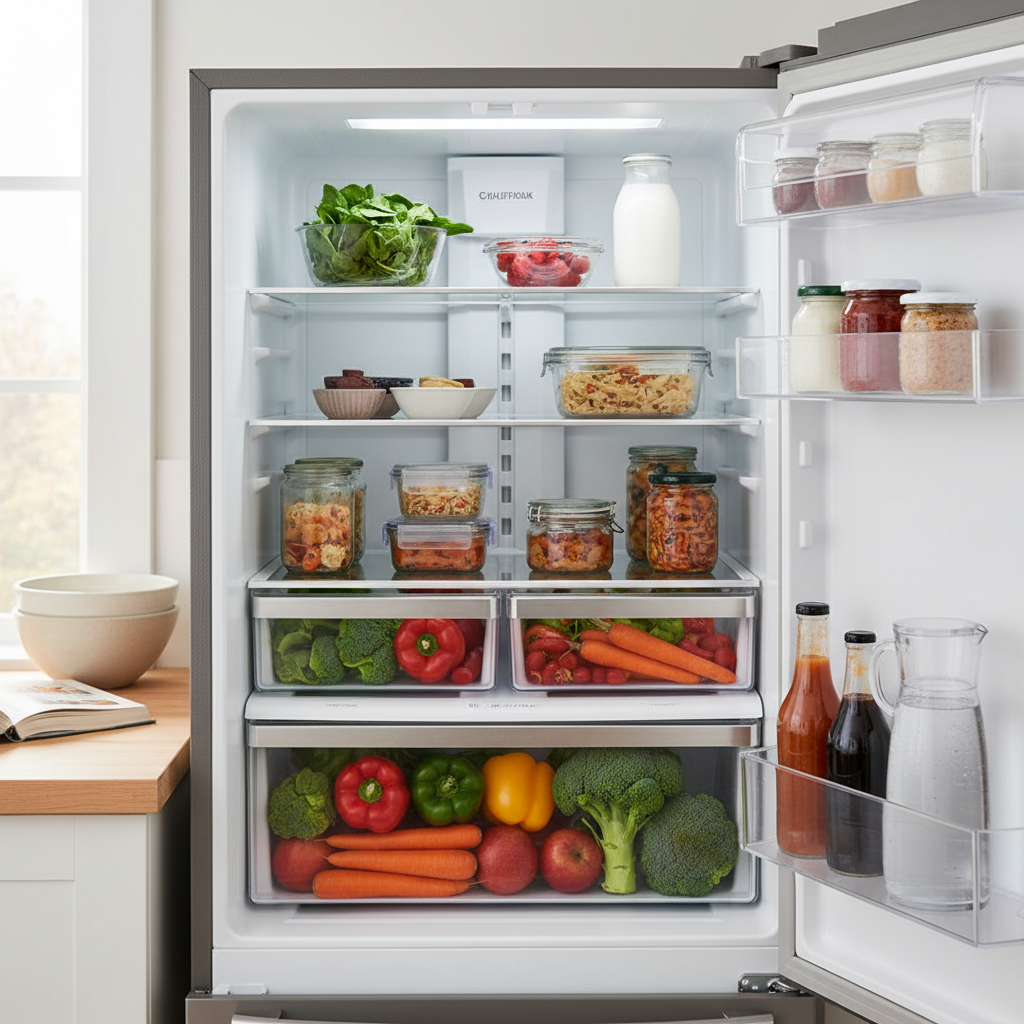
The Big Picture: Chasing Heat Away
At a basic level, this works because a refrigerator is essentially a heat pump. Its main job is to move heat out of the inside of the fridge and release it into the surrounding environment. Think of it like a reverse heater. A heater adds heat to a space, while a refrigerator removes it. This constant removal of heat is what keeps your food chilled and prevents spoilage.
Imagine your kitchen as a bustling party. Heat is like an unwelcome guest, constantly trying to crash the party inside your fridge. The refrigerator’s job is to gently but firmly escort that heat out the door. It does this using a special fluid called a refrigerant, which is the key to this whole operation.
Breaking It Down: The Key Players in the Cooling Game
Let’s take a look at the main components that make this cooling magic happen:
- The Compressor: This is the heart of the system, the engine that powers the whole operation. It’s a pump that compresses the refrigerant, squeezing it into a high-pressure, high-temperature gas.
- The Condenser: Often found on the back or bottom of the fridge, the condenser is where the hot, compressed refrigerant releases its heat into the surrounding air. You’ll notice it gets warm, even hot, when the fridge is running.
- The Expansion Valve: This clever little valve is like a nozzle that sprays the high-pressure refrigerant into a low-pressure zone. This sudden drop in pressure causes the refrigerant to cool down dramatically.
- The Evaporator: Located inside the fridge (you can usually see the coils), the evaporator is where the cold, low-pressure refrigerant absorbs heat from the fridge’s interior, cooling the air.
- The Refrigerant: This is the special fluid that cycles through the system, absorbing heat from inside the fridge and releasing it outside.
Step-by-Step: How the Fridge Works
Now, let’s follow the refrigerant’s journey and see how these parts work together:
- Compression: The compressor starts by taking in low-pressure, gaseous refrigerant and squeezing it. This compression increases both the pressure and the temperature of the refrigerant. Think of it like squeezing a sponge; it gets hot as the water (in this case, the refrigerant) is forced closer together.
- Condensation: The hot, high-pressure refrigerant then flows into the condenser coils. Here, it releases its heat into the surrounding air, cooling down and turning into a high-pressure liquid. This is why the back or bottom of your fridge feels warm.
- Expansion: The high-pressure liquid refrigerant passes through the expansion valve. This valve reduces the pressure, causing the refrigerant to rapidly expand and cool.
- Evaporation: The cold, low-pressure refrigerant now enters the evaporator coils inside the fridge. Here, it absorbs heat from the air inside the fridge, cooling it down. As it absorbs heat, the refrigerant turns back into a gas, ready to start the cycle again.
- Back to the Compressor: The now warm, low-pressure refrigerant goes back to the compressor, and the whole process starts over. It’s a continuous cycle, relentlessly removing heat and keeping your food cold.
The Hidden Costs: What You Don’t Always See
Here’s the part most people never notice: Refrigerators use electricity. A lot of it. Keeping that cycle going 24/7 requires energy. The efficiency of your fridge, and thus the amount of electricity it consumes, depends on several factors, including:
- Age: Older refrigerators are generally less energy-efficient than newer models.
- Design: Features like a well-sealed door, proper insulation, and efficient components all contribute to energy savings.
- Usage Habits: Opening the door frequently or leaving it open for extended periods lets warm air in, forcing the fridge to work harder and consume more energy.
- Environment: Placing your fridge near a heat source, like a stove or in direct sunlight, makes it work harder to maintain its internal temperature.
Modern Relevance: Fridges in the Age of Smart Homes
Today, refrigerators are evolving beyond just keeping food cold. We’re seeing smart fridges with:
- Touchscreens: Allowing you to manage your grocery list, watch videos, or even leave notes for family members.
- Built-in Cameras: So you can see what’s inside your fridge from your smartphone, even when you’re at the grocery store.
- Smart Features: Like automatic ice makers, water dispensers, and the ability to connect to your home’s Wi-Fi network.
- Energy Monitoring: Smart fridges often come with energy-saving modes and can even communicate with your smart home system to optimize energy usage, saving you money and reducing your environmental impact.
These advanced features are cool (pun intended!), but the underlying principle remains the same: the fridge is still a heat pump, diligently working to keep your food fresh.
Common Misconceptions: Debunking the Fridge Myths
Let’s clear up some common misconceptions about how refrigerators work:
- Myth: The fridge “makes” cold.
Fact: The fridge removes heat, it doesn’t create cold. It’s like saying a vacuum cleaner makes the floor clean; it doesn’t, it just removes the dirt.
- Myth: The fridge works harder when it’s full.
Fact: A full fridge is actually more efficient because the food acts as insulation, helping to maintain a consistent temperature. However, it’s crucial to avoid blocking air vents.
- Myth: The fridge needs to be completely defrosted to work properly.
Fact: Modern refrigerators are often frost-free, meaning they automatically defrost themselves.
Small Changes, Big Impact: Optimizing Your Fridge Performance
You can do a few things to help your fridge work efficiently and extend its lifespan:
- Check the Seals: Ensure the door seals are airtight. You can test them by closing the door on a piece of paper; if you can pull the paper out easily, the seals may need replacing.
- Proper Ventilation: Make sure the back of the fridge has enough space for air circulation.
- Temperature Settings: Follow the manufacturer’s recommendations for temperature settings. Generally, the fridge should be kept at 37°F (3°C) and the freezer at 0°F (-18°C).
- Avoid Overloading: Don’t pack the fridge so full that it blocks the air vents, preventing proper air circulation.
- Regular Cleaning: Clean the condenser coils (usually on the back or bottom) to remove dust and debris, which can hinder heat dissipation.
The Takeaway: A Simple Mental Model
Next time you grab a cold drink from your refrigerator, you’ll know that it’s more than just a box. It’s a sophisticated machine that uses a closed-loop system to remove heat and keep your food fresh. Understanding the basics—the compressor, the refrigerant, and the cycle—helps demystify this essential appliance. The fridge doesn’t make cold; it removes heat. And by understanding how it works, you can make informed choices to maximize its efficiency and extend its life. You might even find yourself explaining it to someone else, finally making them say, “Oh, that finally makes sense.”
FAQ: Your Burning Fridge Questions Answered
Here are some frequently asked questions about refrigerators:
- Why is the back of my fridge warm?
The back of your fridge is warm because the condenser coils release heat that is removed from inside the fridge. This is normal.
- Why does my fridge make strange noises?
Refrigerators make various sounds as the compressor, fans, and other components operate. However, loud or unusual noises could indicate a problem. Consult your owner’s manual or a technician if you’re concerned.
- How long does a refrigerator last?
The lifespan of a refrigerator is typically 10-20 years, depending on the model, usage, and maintenance.
- How can I make my fridge more energy-efficient?
You can improve energy efficiency by ensuring the door seals are tight, keeping the condenser coils clean, and setting the proper temperature.
- Why is my food freezing in the fridge?
If your food is freezing, the temperature setting might be too low. Adjust the thermostat to a warmer setting. You may also want to ensure that food items are not too close to the vents.
- What’s the difference between a fridge and a freezer?
A fridge and freezer both use the same basic cooling system, but a freezer operates at a much lower temperature to freeze food solid.
- What should I do if my refrigerator stops working?
First, check the power supply. If the fridge is still not working, inspect the door seals, ensure that the condenser coils are clean, and check the temperature settings. If the problem persists, you may need to consult a repair technician.
- Can I put hot food directly into the fridge?
It’s generally best to let hot food cool down to room temperature before placing it in the fridge. This reduces the workload on the cooling system.
If you have further questions or need additional support, feel free to visit our Homepage to learn more.
In case your washing machine is not working, you can find a guide to fix it here My Washing Machine Won’t Drain! A Sanity-Saving Guide to a Flooded Laundry Room.