
Remember that sinking feeling? You turn the key, ready to head to work, or maybe to pick up the kids. But all you get is a weak click, or even worse, silence. Your car battery is dead. It’s a frustrating, and unfortunately, a very common experience. But why does it happen? And more importantly, what can you do to avoid it? Let’s break it down.
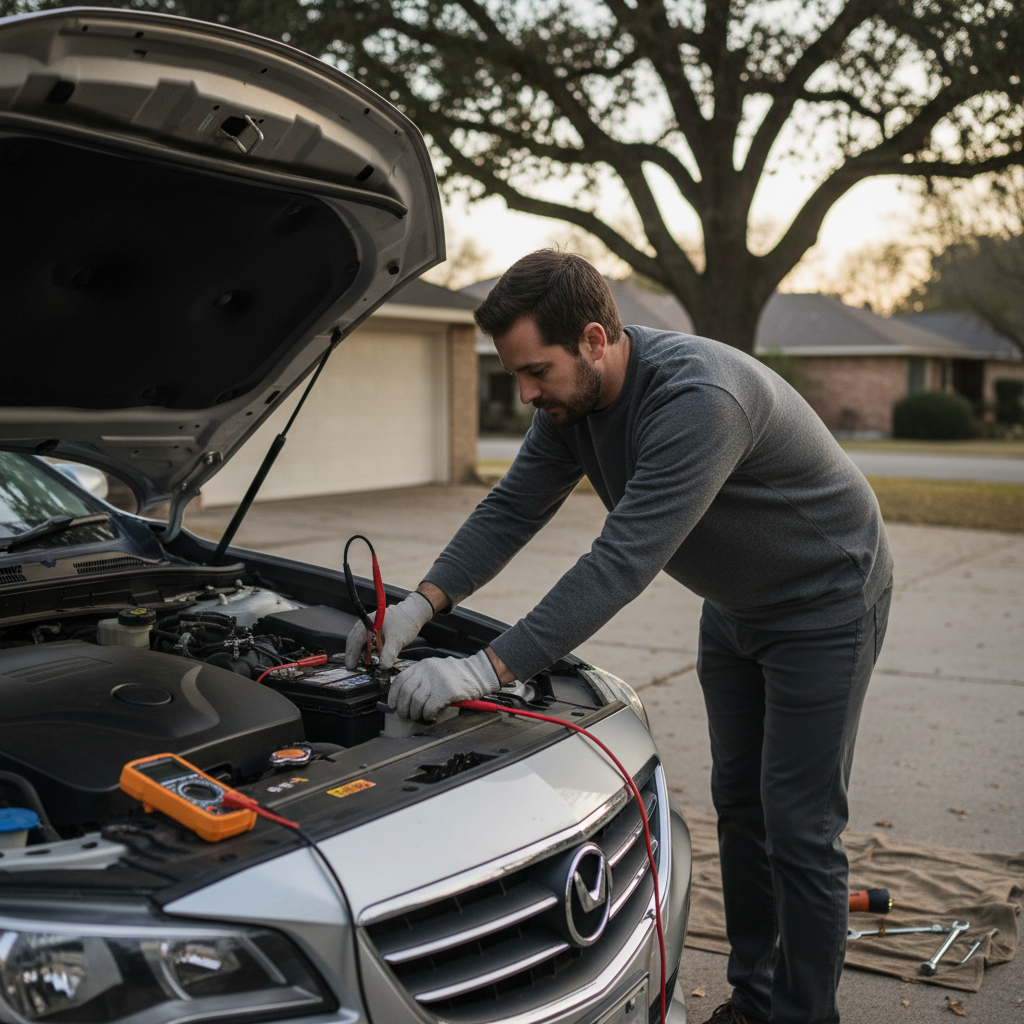
The Battery’s Basic Job: Starting Your Car
At its heart, your car battery is a rechargeable storage container for electricity. Think of it like a water tank. When you need water, it’s there. When you’re not using water, the tank slowly fills back up. The battery’s primary job is to provide the initial burst of power needed to start your engine. It sends electricity to the starter motor, which cranks the engine and gets it going. Once the engine is running, the battery’s role shifts. It helps power all the electrical components in your car: the lights, the radio, the air conditioning, the dashboard – everything that uses electricity.
The Inner Workings: How a Battery Stores Power
To understand why a battery dies, you need to know a little about how it works. A car battery is a lead-acid battery. Inside a plastic case, you’ll find:
- Lead Plates: Alternating positive and negative lead plates are submerged in electrolyte. These are like the “storage shelves” for the electricity.
- Electrolyte: This is a mixture of sulfuric acid and water. It’s the “working fluid” that allows the chemical reactions to happen. The electrolyte moves the electricity around.
- Chemical Reactions: When you start your car, a chemical reaction occurs within the battery. The lead plates react with the sulfuric acid, producing electrons. These electrons flow through the car’s electrical system, providing power.
The chemical reactions create electricity. When the battery is being charged (when your car is running), the reactions are reversed, restoring the chemicals to their original state, refilling the “water tank.” This process makes it ready for the next time you need to start your car.
The Main Culprits: What Drains Your Battery?
A dead car battery isn’t a mystery; it’s usually one of a few common causes:
1. Parasitic Drain
Even when your car is off, it still draws a small amount of power. The clock, the alarm system, the computer that controls the engine – all these things need a trickle of electricity to keep working. This constant, low-level drain is called a parasitic drain. If this drain is too high, or if your battery is old or weak, it can eventually drain the battery completely. The parasitic drain is usually caused by an electrical component that is not shutting off completely when the car is turned off.
2. Leaving Lights On
This is the classic culprit! Leaving your headlights, interior lights, or even your trunk light on overnight will quickly drain your battery. These bulbs use a significant amount of power. If they’re left on for hours, or even just overnight, they will drain the battery significantly.
3. Temperature Extremes
Extreme temperatures can wreak havoc on your battery. In cold weather, the chemical reactions inside the battery slow down. This means the battery produces less power. Also, your engine needs more power to start in cold weather, putting an additional strain on the battery. In hot weather, heat can cause the water in the electrolyte to evaporate, which weakens the battery’s ability to hold a charge. This means your battery will struggle to work effectively in extreme temperatures.
4. Old Age
Car batteries don’t last forever. Over time, the lead plates inside the battery corrode, and the battery loses its ability to hold a charge. A typical car battery lasts between three to five years, depending on factors like usage, climate, and maintenance. Once a battery starts getting old, it will start losing its charge more quickly, especially in extreme temperatures.
5. Electrical Issues
Sometimes, the problem isn’t the battery itself, but the car’s electrical system. A faulty alternator, which is responsible for charging the battery while the engine is running, can prevent the battery from getting enough charge. Electrical shorts or damaged wiring can also cause the battery to drain. Your electrical system is an important part of your car, and if there is a problem with it, this can cause your battery to die.
Step-by-Step: The Battery-Draining Process
Let’s walk through how these factors lead to a dead battery:
- The Drain Begins: Something, whether it’s a parasitic drain, a forgotten light, or a failing alternator, starts drawing power from the battery.
- Chemical Reactions Slow: As the power is used, the chemical reactions inside the battery start to reverse. The lead plates start reacting with the electrolyte, and the acid concentration changes.
- Voltage Drops: As the battery loses power, the voltage (the electrical “pressure”) drops. This can happen slowly, where you might notice the car struggling to start, or quickly, where the car won’t start at all.
- Battery Fails: If the drain continues, the battery will eventually reach a point where it can no longer produce enough power to start the engine. The battery is then “dead.”
Modern Relevance: The Impact of Today’s Tech
Our cars are more connected and technology-rich than ever. This means more computers, more sensors, and more electronic gadgets that draw power. Features like keyless entry, GPS, and advanced infotainment systems add to the parasitic drain. These components are constantly drawing power, so you’ll want to make sure your battery is always charged, to avoid having to jump your car. You may also want to regularly check on your battery, to make sure it’s in good condition.
Preventative Measures: What You Can Do
The good news is that you can take steps to prevent a dead battery:
- Check Your Lights: Make it a habit to double-check that your headlights, interior lights, and trunk light are off when you park your car.
- Regular Maintenance: Have your battery and charging system tested regularly, especially if you live in an area with extreme temperatures. Most auto parts stores offer free battery testing.
- Reduce Parasitic Drain: If you suspect a parasitic drain, have a mechanic diagnose the problem. A simple multimeter can sometimes pinpoint the source of the drain.
- Consider a Battery Tender: If you don’t drive your car frequently, a battery tender (also known as a trickle charger) can help keep your battery topped up.
- Proper Battery: Make sure you have the right type of battery for your car, and that it’s the correct size and with the correct cold-cranking amps.
- Don’t ignore the warning signs: If your car is slow to start, or if your headlights dim when you use other electrical components, it’s a sign your battery may be failing. If you notice these signs, have the car checked immediately.
The Jump-Start: A Temporary Fix
If you find yourself with a dead battery, you can usually jump-start your car using another car and a set of jumper cables. Here’s how:
- Safety First: Make sure both cars are turned off, and that the cars are not touching each other. Make sure the parking brakes are on.
- Connect the Cables: Connect the red (positive) clamp to the positive terminal of the dead battery, and the other red clamp to the positive terminal of the working battery.
- Connect the Black Cables: Connect the black (negative) clamp to the negative terminal of the working battery, and the other black clamp to a bare metal surface on the car with the dead battery (away from the battery itself).
- Start the Working Car: Start the car with the working battery, and let it run for a few minutes.
- Start the Dead Car: Try to start the car with the dead battery. If it starts, let it run for at least 15-20 minutes to recharge the battery.
- Disconnect the Cables: Carefully disconnect the cables in the reverse order.
Beyond the Battery: The Big Picture
Once you understand how your car battery works, you can start to think about the rest of your car. Your car is an incredibly complex machine, which relies on many different parts working together. It’s a great idea to understand the different parts of your car, to make sure that everything is working effectively. For example, if you have slow Wi-Fi in your house, you can read more about how to get your internet back up to speed here.
Common Misconceptions: Debunking the Myths
There are a few common misconceptions about car batteries:
- Myth: A jump-start fixes the problem.
- Reality: A jump-start only provides a temporary boost. It doesn’t fix the underlying issue that caused the battery to die in the first place. You’ll still need to have your car checked.
- Myth: Replacing the battery is the only solution.
- Reality: Sometimes a simple recharge can revive a battery, especially if the discharge was caused by a forgotten light. However, if the battery is old or damaged, replacement is necessary.
- Myth: All batteries are the same.
- Reality: Car batteries come in different sizes, with different power ratings. Make sure you get the right battery for your car’s make and model.
Frequently Asked Questions
Here are some common questions people have about car batteries:
- How long should a car battery last? Typically, a car battery lasts 3-5 years, but this can vary depending on usage, climate, and maintenance.
- What are the signs of a failing battery? Slow cranking, dimming headlights, and electrical issues are all signs of a failing battery.
- Can I jump-start a car with a dead battery? Yes, you can. However, a jump-start is only a temporary fix.
- How do I know if my alternator is bad? A mechanic can test your alternator to see if it’s charging your battery correctly.
- How can I prevent my battery from dying? Regularly check your lights, get your battery tested, and address any potential electrical issues.
- What happens if I leave my lights on overnight? Your battery will likely be dead in the morning.
- Can cold weather damage my car battery? Yes, cold weather can slow down the chemical reactions in the battery and make it harder to start your car.
- How do I choose the right replacement battery? Consult your car’s owner’s manual or a local auto parts store. They can tell you the correct size and power rating.
Knowing how your car battery works, and what causes it to die, empowers you to take care of your car and avoid those frustrating “no-start” moments. With a little knowledge and some simple precautions, you can keep your battery running strong for years to come.